EN
EN


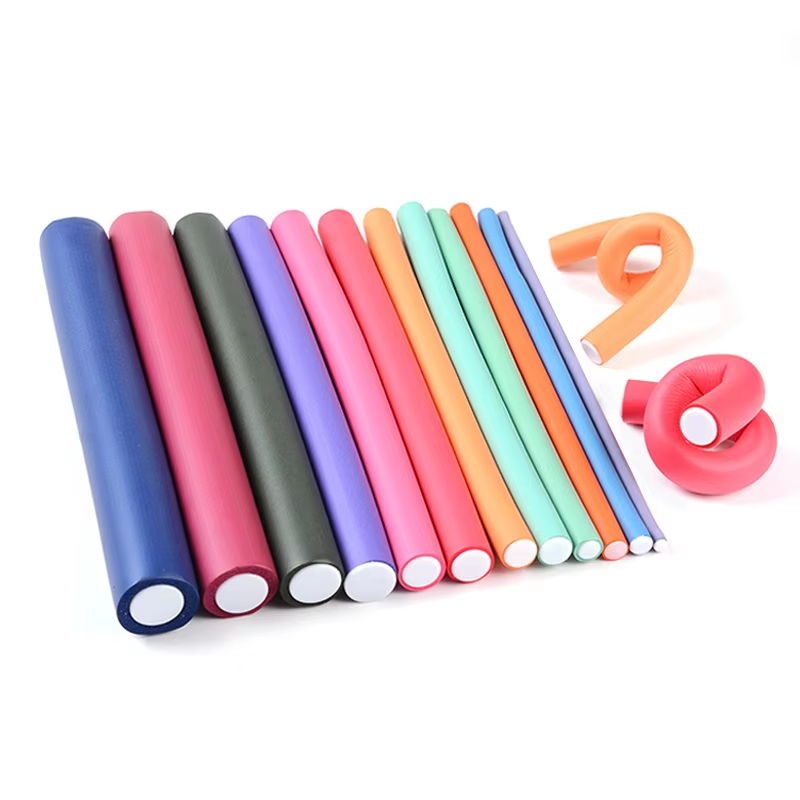
Starting with hair rollers can feel overwhelming: there are sizes, materials, clips versus self-adhesive, and heat versus heatless options. The good news is that a handful of roller types are genuinely easy to learn with, and picking the right one decides whether your first attempt becomes a frustrating experiment or a routine you actually keep. This guide explains what makes a hair roller beginner-friendly, compares the most manageable types, including sponge self-adhesive rollers and heatless sleep rollers, and shares practical selection criteria for personal users and buyers sourcing starter kits for resale. Drawing on nearly two decades of hair roller manufacturing, including OEM production for brands such as MINISO, Yiwu Zhichao Cosmetics offers this breakdown so first-time users can begin with tools that match their skill level.
What Makes a Hair Roller Beginner-Friendly
Three qualities separate an approachable roller from an intimidating one. First, it should not require heat, because beginners are the group most likely to damage hair, or burn a finger, with hot tools while still learning tension and sectioning. Second, it should hold itself: a self-adhesive or self-grip roller removes the need for clips and pins, which is the step most novices struggle with. Third, it should be time-flexible, working for a 30-minute session before going out or an overnight set while sleeping. Rollers that meet all three criteria shorten the learning curve dramatically. Sponge self-adhesive rollers and heatless sleep rollers meet them best, which is why both formats dominate beginner-focused product ranges, from drugstore shelves to salon retail walls.
Sponge Self-Adhesive Rollers: The Easiest Starting Point
The sponge self-adhesive hair roller is widely recommended as a first roller because using it involves a single motion: twist a small section of damp hair, press the end onto the roller surface, and roll toward the scalp, where the roller stays put on its own. There are no clips to position, no heat settings to judge, and no technique-critical tension to maintain. Most sponge rollers come in multiple diameters, typically 20 mm to 40 mm, so beginners can start with a mid-size roller and adjust based on results. The soft foam is also comfortable enough to leave in, and mistakes simply unwind and redo. In manufacturing terms, foam density and the durability of the self-adhesive hook surface determine how many uses a roller delivers, which is why experienced buyers check these specifications rather than price alone.
Heatless Sleep Rollers for Overnight Styling
Heatless sleep rollers apply the same low-effort logic to overnight styling. The classic format is a flexible foam rod: hair wraps around it before bed, a scrunchie or self-adhesive closure secures the ends, and the set is undone in the morning with a few seconds of finger combing. Because the hair dries and sets over six to eight hours, even a mediocre wrapping technique still produces a soft, natural wave, a forgiving margin that hot tools never offer. Sleep rollers suit people with tight morning schedules and anyone cautious about heat exposure on colored or fragile hair. For brands, they are also an ideal entry product: compact, lightweight, inexpensive to ship, and consistently popular in heatless curling kit bundles.
Comparing Beginner-Friendly Roller Types
The table below compares the four most manageable roller formats against the criteria that matter most to first-time users: ease of use, time investment, and whether heat is required. Nylon self-grip rollers and plastic salon rollers with clips are included for context, since many beginners graduate to them within a few months once the basic wrapping motion feels natural.
A Practical Example: Sourcing a Starter Kit
A small US-based beauty startup illustrates how these criteria translate into a product decision. The brand wanted a first styling kit for teenage customers and needed a mix that required no instructions beyond a card insert: self-adhesive sponge rollers in two diameters, a heatless sleep roller, and a wide-tooth styling comb for sectioning. Suppliers such as Yiwu Zhichao Cosmetics support this kind of assortment with a minimum order of 100 pieces per item, BSCI and WCA certified production, and existing stock lines such as Daiou three-size nylon self-adhesive curlers, which means a new brand can assemble a beginner kit without financing a custom mold on day one. Custom colors and printed packaging become worthwhile at the second order, once the concept has proven sell-through. For beginners buying a single kit, the same logic applies in reverse: one mixed-size self-adhesive set covers first attempts on bangs, mid-lengths, and full-head styling without any additional tools.
Selection Criteria Before You Buy
Before purchasing, run through a short checklist. Match roller diameter to hair length: 20 to 30 mm rollers suit short hair and bangs, while 30 to 40 mm and above suit medium and long hair when the goal is a loose wave. Confirm the roller is truly self-holding if you want to avoid clips entirely. Check pack counts, since most self-adhesive sets include 6 to 24 rollers and a full-head set needs far more than a bang touch-up. For resale, verify supplier certifications and request samples to test foam resilience and adhesive strength after ten uses. Finally, review the product specifications, meaning diameter, material, colors, and MOQ if you are buying wholesale, so the kit you choose matches both your hair and your plans.
Questions and Answers
Q: What is the easiest hair roller for beginners?
A: A sponge self-adhesive hair roller is the easiest type to learn with. It grips hair on its own without clips or heat, and mistakes can be unwound and redone in seconds.
Q: How long should beginners leave rollers in?
A: For self-adhesive sponge rollers, 30 to 60 minutes on damp hair gives a noticeable wave. For heatless sleep rollers, wear them overnight for the softest, most natural result.
Q: How many rollers does a beginner need?
A: A set of 6 to 12 rollers covers bangs and a half-head practice set. For full-head styling on medium to long hair, plan on 12 to 24 rollers depending on section size.