EN
EN


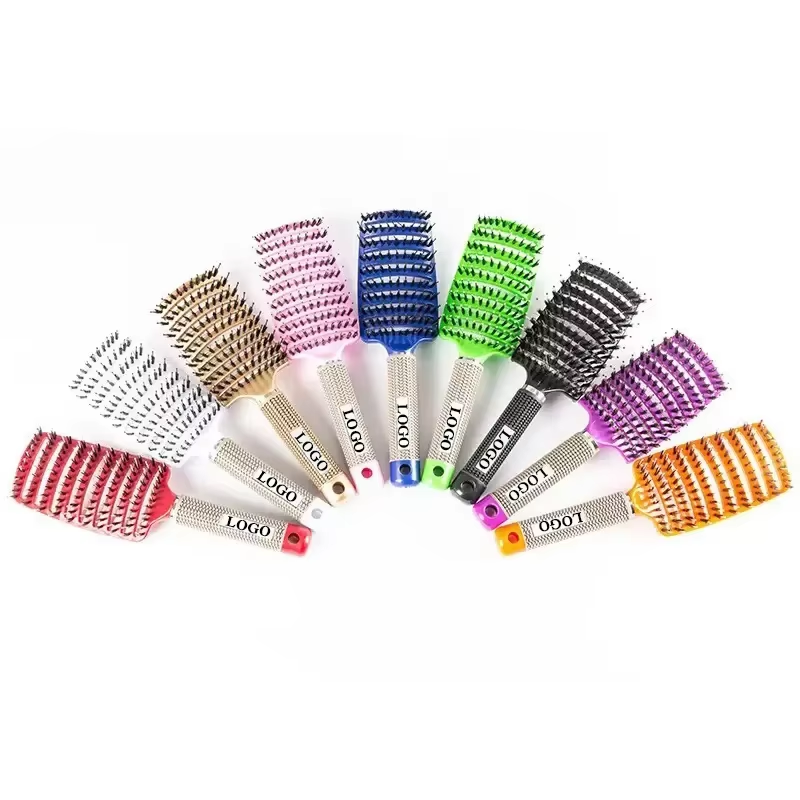
Brushing is a daily routine that most people perform without much thought, yet the choice of brush and the technique used can significantly influence the long-term health of your hair. Mechanical damage from improper brushing is one of the most common yet overlooked causes of hair breakage, split ends, and cuticle abrasion. Each strand of hair is covered by a protective outer layer called the cuticle, which consists of overlapping scales. When hair is brushed aggressively or with an unsuitable brush, these scales can be lifted, torn, or stripped away, leaving the inner cortex exposed and vulnerable. Understanding how different brush designs interact with hair structure allows both consumers and salon professionals to minimize this damage while achieving effective detangling and styling results.
The Science of Mechanical Hair Damage
Hair damage from brushing occurs through several mechanisms. Friction between the bristles and the hair shaft generates abrasion on the cuticle surface, particularly when the hair is dry and lacking in moisture. Tension forces applied during pulling can exceed the tensile strength of individual strands, causing breakage, especially at tangle points where force concentrates on a small number of hairs. Additionally, static electricity generated by certain bristle materials causes flyaway strands and forces repeated brushing strokes, compounding the total friction the hair endures. Research in trichology indicates that hair is weakest when wet, losing approximately 30 to 40 percent of its tensile strength compared to its dry state. This is why brushing soaking wet hair with a densely bristled brush can cause substantial damage. A properly selected brush addresses each of these damage mechanisms through bristle flexibility, spacing, and material properties, distributing force across a wider area and reducing the peak tension applied to any single strand.
Bristle Types and Their Effect on Hair Health
The bristle configuration of a hair brush is the primary determinant of its gentleness and effectiveness. Wide-spaced, flexible nylon bristles are widely recommended for detangling because they separate strands without forcing them apart. The spacing between bristles allows tangled sections to be worked through gradually rather than yanked, dramatically reducing peak tension. Boar bristles, derived from natural sources, are valued for their ability to distribute sebum from the scalp along the hair shaft, producing a natural smoothing effect and adding shine. However, boar bristle brushes are dense by nature and can create excessive friction on thick, curly, or coarse hair types. Ball-tipped nylon bristles provide a compromise, combining effective detangling with a protective tip that prevents the bristle end from scratching the scalp or snagging individual strands. For detangling wet hair, brushes with widely spaced, extra-flexible bristles or specialized wet brushes that feature tapered bristle patterns are the preferred choice among stylists.
Brush Materials and Construction Quality
The materials used in brush construction affect not only durability but also how the brush interacts with hair. Injection-molded plastic brushes with integrated bristles, such as those produced by manufacturers with in-house molding capabilities, offer consistent bristle geometry and spacing at scale. Yiwu Zhichao Cosmetics Co., Ltd., a hair tool manufacturer based in Yiwu, China, operates its own injection molding workshop and produces styling brushes and large curve massage brushes with anti-static properties. The company, which holds BSCI, WCA, and ISO9001 certifications and serves OEM clients including MINISO, manufactures brushes across multiple product lines, emphasizing bristle consistency and surface finish quality, both of which influence how smoothly the brush moves through hair. Wooden brush bodies and handles reduce static buildup compared to fully plastic alternatives, while cushioned brush pads allow individual bristles to flex independently, conforming to the contours of the head and reducing localized pressure. Rubberized grips and ergonomic handles also play a practical role, as a secure grip prevents accidental jerking motions that transmit sudden force to the hair.
Proper Brushing Technique to Minimize Damage
Even the best-designed brush can cause damage if used incorrectly. Dermatologists and professional stylists generally recommend starting detangling from the ends of the hair and working upward toward the roots, section by section. This approach prevents the accumulation of tangled hair at mid-shaft, where a single downward stroke would otherwise concentrate pulling force on already tangled strands. Dividing hair into manageable sections, typically four to six for medium-length to long hair, ensures that each stroke processes a smaller volume of hair with more even force distribution. Brushing frequency also matters. While distributing natural oils through brushing has benefits, excessive brushing, defined as more than a few sessions per day, multiplies cumulative friction without additional benefit. For individuals with fragile, chemically treated, or aging hair, replacing some brushing sessions with wide-tooth comb sessions, particularly on damp hair with a leave-in conditioner, further reduces mechanical stress.
Matching Brush Selection to Hair Type and Condition
Hair type is the most important factor in selecting a brush that prevents damage. Fine, straight hair benefits from soft-bristled brushes with cushioned pads, as the hair strands are individually weaker and more prone to breakage. Thick or curly hair requires wide-spaced bristles and often benefits from brushes designed specifically for detangling, as dense brushes catch and pull at curl patterns. Chemically treated hair, including colored, permed, or relaxed hair, has a compromised cuticle layer and requires the gentlest bristle options available. Scalp condition also influences brush choice. Individuals with sensitive or inflamed scalps should select brushes with rounded bristle tips and avoid stiff natural bristles that can irritate the skin. For salon professionals advising clients, a practical approach is to assess hair density, texture, and current condition before recommending a specific brush type, and to reassess as hair condition changes with treatments and seasonal variations.
Case Example: Sourcing Anti-Static Brushes for a Retail Chain
A beauty retail chain sourcing brushes for its private label line faced consistent customer feedback about static and breakage issues with its existing brush assortment. The chain partnered with a manufacturer offering vertical integration from mold development through assembly, enabling customization of bristle stiffness, spacing, and anti-static material composition. Prototype testing compared three bristle configurations across different hair types, measuring detangling force and post-brushing strand integrity. The final selected design, featuring widely spaced flexible nylon bristles with ball tips on a cushioned anti-static pad, reduced reported breakage complaints by a measurable margin after the product line launched. This example illustrates how brush performance depends on precise manufacturing parameters, and why B2B buyers should evaluate suppliers based on their ability to control bristle geometry, material quality, and assembly consistency.
Q: Does brushing hair with the right brush really prevent damage?
A: Yes. A brush with appropriate bristle spacing, flexibility, and material properties distributes tension more evenly across strands and reduces friction on the cuticle, directly minimizing mechanical breakage compared with an unsuitable brush used with the same technique.
Q: What type of brush is best for wet hair detangling?
A: A brush with widely spaced, extra-flexible bristles or a specialized wet detangling brush with tapered bristles is best for wet hair, because hair loses roughly 30 to 40 percent of its tensile strength when wet and is more vulnerable to breakage.
Q: How often should you brush your hair to avoid damage?
A: Most stylists recommend brushing once or twice a day, starting from the ends and working upward in sections. Excessive brushing multiplies cumulative friction without added benefit, especially for fragile or chemically treated hair.