EN
EN


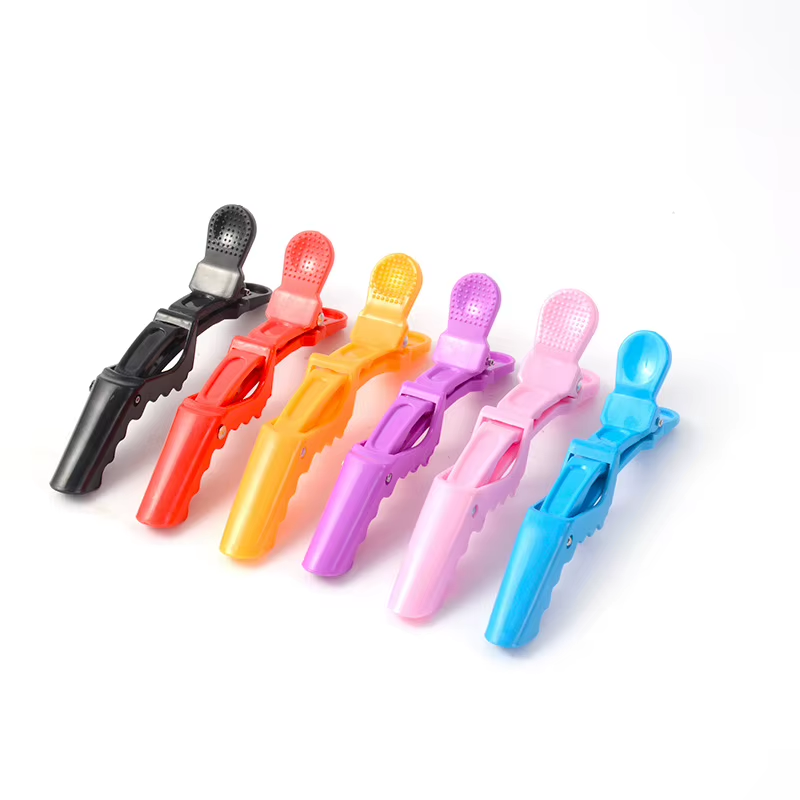
Why Hair Clips Matter for Curl Formation
A hair clip is far more than a simple accessory in the curl styling process. Whether you are a professional stylist working in a salon or a home user experimenting with new looks, the right hair clip secures sections of hair in place, allowing curl patterns to set evenly without unwanted tension or creasing. In salon environments, clips are used to isolate hair sections before perming, to hold rollers in position during heat processing, and to maintain curl integrity while the hair cools. A poorly designed clip can leave dents in the hair shaft, pull strands uncomfortably, or slip out of position at a critical moment, undermining the entire styling effort. Understanding the functional role of each clip type is the first step toward achieving consistent, long-lasting curls that hold their shape throughout the day.
Types of Hair Clips for Curl Styling
Not all hair clips serve the same purpose, and selecting the correct type for each styling stage can significantly affect the final result. Bang styling clips, typically made from flexible nylon, are designed to hold shorter fringe sections flat while curling or drying. Their lightweight construction prevents them from weighing down fine hair or leaving visible impressions. Sectioning clips, often featuring a hinged jaw mechanism, grip larger portions of hair securely during multi-step curling routines, keeping previously styled sections separate from damp or unprocessed hair. Duckbill clips lay flat against the scalp, making them ideal for pinning curls close to the head during heatless curling methods where minimizing bulk is essential. For roller-based styling, specialized roller clips anchor the roller to the hair segment without interfering with the curl formation process. Each type addresses a specific stage of the curling workflow, and stocking multiple varieties ensures flexibility across different styling techniques and hair textures.
Material Selection and Its Impact on Performance
The material of a hair clip directly influences its grip strength, durability, and compatibility with different hair types. Nylon clips offer flexibility and a gentle hold, making them particularly suitable for fine or fragile hair that is prone to breakage and snagging. Plastic clips provide rigid structural support and are often used for thicker, coarser hair that requires firmer sectioning and stronger tension. Metal clips with rubberized coatings deliver the strongest grip for professional use but may add weight that some users find uncomfortable during extended styling sessions. Anti-static properties are especially valuable in dry environments or during winter months, where static buildup causes flyaways and disrupts carefully defined curl patterns. Manufacturers such as Yiwu Zhichao Cosmetics Co., Ltd. produce hair clips using injection molding technology that allows precise control over clip tension and jaw alignment, ensuring consistent performance across large production batches. This manufacturing precision matters because even minor variations in jaw curvature or spring tension can affect how the clip interacts with different hair densities.
Technique: Using Hair Clips Effectively for Curls
Proper technique transforms an ordinary hair clip into an essential styling tool that contributes directly to curl quality. Begin by sectioning clean, detangled hair into workable panels, working from the bottom layers upward. For heatless curling, wrap each section around a roller or flexi rod, then secure the end with a duckbill or roller clip positioned parallel to the scalp to minimize bulk. Avoid clipping too tightly, as excess pressure creates crease marks that persist after the clip is removed and can ruin an otherwise perfect curl. When using hot tools such as curling irons or wands, allow each curl to cool completely while pinned in the clip before releasing — this cooling phase is what locks the curl shape into the hair shaft protein structure. For bang styling, use a lightweight nylon clip to hold the fringe in the desired direction while applying low heat from a blow dryer, moving the clip as needed to shape the curl. Working systematically from the nape upward ensures that each section receives equal attention and no strands are missed or double-processed.
Sourcing Quality Hair Clips: A Practical B2B Scenario
For procurement professionals evaluating hair clip suppliers, several technical criteria warrant close attention beyond surface-level product appearance. A mid-sized beauty distributor in the United States recently sourced nylon bang styling clips from Yiwu Zhichao Cosmetics Co., Ltd., a manufacturer with BSCI, WCA, and ISO9001 certifications and an established OEM production track record for international retail brands including MINISO. The buyer's evaluation focused on three quantifiable factors: clip spring tension consistency across a 10,000-unit sample batch, the absence of mold flash on jaw edges that could snag hair, and color fastness under accelerated UV testing simulating retail display conditions. The manufacturer's in-house injection molding workshop and proprietary mold development capability allowed custom jaw profiles to be prototyped within a two-week window, significantly faster than the industry average for outsourced mold production. This case illustrates how vertical integration — from mold design to final assembly and packaging — directly affects product consistency and lead time reliability. Buyers should also verify minimum order quantities, which in this case start at 100 pieces for stock items, and request pre-production samples to confirm dimensional tolerances before committing to volume orders.
Common Mistakes and How to Avoid Them
Even experienced stylists and seasoned buyers encounter issues when working with or sourcing hair clips. One frequent mistake is using a single clip type for every styling situation, which leads to poor sectioning control and uneven curl results across different hair zones. Another common error is neglecting to clean clips regularly — styling product residue builds up on jaw surfaces over time and transfers onto clean hair, causing slippage and introducing unwanted oils. Overloading a clip with too much hair strains the spring mechanism, shortening the clip's functional lifespan and causing inconsistent grip. For B2B buyers, a common sourcing error is focusing solely on unit price while overlooking tension uniformity and material grade, which ultimately affects end-user satisfaction and return rates. Requesting a physical sample batch and conducting a simple pull test — measuring the force required to open each clip — provides a quick but effective quality benchmark that any procurement team can implement. By addressing these issues proactively, both stylists and procurement teams can maximize the value and performance they derive from their hair clip inventory.
Frequently Asked Questions
What type of hair clip is best for heatless curls?
Duckbill clips and roller clips are the most effective for heatless curling because they hold the hair close to the scalp without creating indentations. Look for clips with smooth, flat jaws and a moderate spring tension that secures the hair without pulling or causing discomfort during overnight wear.
Can nylon hair clips withstand high-temperature styling tools?
Nylon clips are designed for sectioning and holding hair during low to moderate heat styling applications. For direct contact with high-temperature tools such as flat irons or curling wands, heat-resistant plastic or metal clips with coated jaws are strongly recommended to prevent material deformation.
How does injection molding affect hair clip quality?
Injection molding allows manufacturers to produce clips with precise dimensional tolerances, consistent spring tension across batches, and smooth surface finishes free of mold flash. This process also enables custom jaw profiles and integrated hinge designs that improve durability, user comfort, and overall product longevity.