EN
EN


A Buyer's Guide to Makeup Tools Replacement and Hygiene
Makeup sponges are among the most frequently used items in any beauty routine, yet they are also among the most commonly neglected when it comes to replacement. A damp sponge pressed against the skin day after day creates an ideal environment for bacterial growth, product residue accumulation, and eventual material degradation. For consumers, the question of when to replace a makeup sponge is a matter of skin health and application quality. For beauty retailers and private-label brands, it is a question of product durability claims, customer retention, and sourcing specifications that hold up under real-world use conditions.
Understanding Makeup Sponge Materials and Their Lifespan
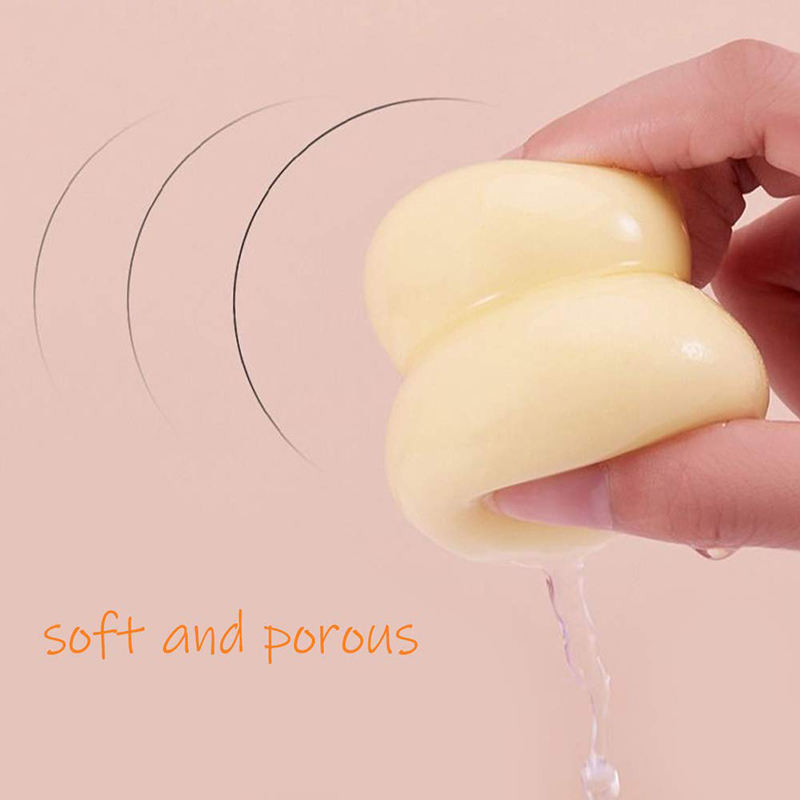
The majority of cosmetic sponges on the market today are made from hydrophilic polyurethane foam. This material is chosen because it absorbs water and expands when wet, allowing for a dewy, seamless application of liquid and cream products. Latex-free formulations have become the industry standard due to latex allergy concerns, and most quality-conscious manufacturers now offer latex-free options across their entire sponge product lines. Common shapes include the teardrop or egg shape for full-face blending, the gourd or hourglass shape for targeted areas, and the mini bullet shape for under-eye and detail work.
Material density and cell structure directly affect how long a sponge lasts. High-density foam tends to resist tearing and maintains its shape longer, while lower-density foams feel softer initially but break down faster with repeated washing. From a sourcing perspective, understanding the Shore hardness rating and the expansion ratio of the foam helps B2B buyers evaluate whether a product will maintain its performance claims through the expected lifecycle. Manufacturers with their own injection molding and foam processing capabilities can control these parameters consistently across production batches.
Signs of Wear: When a Sponge Tells You It Is Done
A well-maintained makeup sponge typically lasts three to four months with daily use and proper cleaning. However, several visible and tactile indicators signal that replacement is overdue. The most obvious sign is physical deformation — if the sponge no longer returns to its original shape after squeezing or has visible cracks and tears on the surface, it is no longer effective for smooth blending. A second indicator is persistent odor, which suggests deep bacterial contamination that surface cleaning cannot resolve. Third, if the sponge feels hard or dense even after wetting, the foam cells have collapsed and the hydrophilic properties are lost. Finally, uneven makeup application — streaking, patchiness, or product sitting on the skin surface rather than blending — often traces back to a sponge that has exceeded its functional life.
Retailers and brand managers should note that these failure modes are not merely cosmetic concerns. A degraded sponge transfers accumulated bacteria and old product directly onto the skin, which can contribute to breakouts, irritation, and compromised skin barrier function. Customer complaints about skin reactions often correlate with sponge replacement negligence rather than the makeup formula itself.
Bacterial Growth and Hygiene Concerns
The warm, moist environment inside a used makeup sponge is hospitable to a range of microorganisms. Studies conducted on used cosmetic sponges have found significant bacterial loads, including Staphylococcus and E. coli species, particularly on sponges that are rarely or never washed. Even with regular cleaning using mild soap or a dedicated brush cleaner, the porous structure of polyurethane foam makes it difficult to fully eliminate all trapped residue and microorganisms over time. This is why dermatologists and beauty professionals generally recommend replacing sponges every three to four months, and sooner if the user has been ill, has had an active skin infection, or shares tools.
For B2B buyers, this hygiene context has sourcing implications. Sponges marketed as antimicrobial or treated with silver ion technology can offer an additional layer of protection, though they do not eliminate the need for regular replacement. Manufacturers who can document their material testing and antimicrobial treatment efficacy provide a stronger value proposition to retail partners who need to make defensible claims on their packaging and marketing materials.
Replacement Frequency and Sourcing Considerations for Retail
Determining the right replacement frequency for a product line involves balancing consumer expectations, price points, and material quality. A value-tier sponge may need replacement every one to two months, while a premium sponge with high-density foam and antimicrobial treatment can last four to six months. Retailers who build subscription or refill models around makeup sponges benefit from sourcing sponges with predictable, documented lifespans rather than variable quality that leads to inconsistent user experiences.
A Practical Sourcing Scenario: Selecting Sponges for a Retail Refill Program
Consider a beauty retailer launching a quarterly makeup sponge subscription box under their private label. They need sponges in three shapes — teardrop, gourd, and mini bullet — that maintain consistent density and expansion across all production runs, with latex-free certification and the option for antimicrobial treatment. The retailer approaches a manufacturer with integrated production capabilities, meaning the factory controls foam formulation, molding, and packaging under one quality management system. The factory's ISO9001 certification and BSCI compliance assure the retailer that production conditions meet international standards and that the workforce operates under audited social compliance. By requesting sample batches for accelerated wear testing — simulating three months of daily use with repeated washing — the retailer can verify that the material density and cell structure hold up before committing to a bulk order of 10,000 units per quarter. This testing step is what separates a successful refill program from one that generates customer complaints about premature sponge degradation.
Q: How often should you replace your makeup sponge?
A: With daily use and regular cleaning, a quality makeup sponge should be replaced every three to four months. If you notice visible tears, persistent odor, loss of shape, or uneven application, replace it immediately regardless of the timeline. Users who rarely clean their sponges or have had a skin infection should replace them sooner.
Q: Can washing extend the life of a makeup sponge?
A: Regular washing with mild soap helps remove surface product and bacteria, but it does not restore degraded foam structure or eliminate deeply embedded microorganisms. Washing extends the usable period within the three to four month window, but it cannot make a sponge last indefinitely. Once the material loses its elasticity or develops an odor, replacement is necessary.
Q: What should B2B buyers look for when sourcing makeup sponges?
A: Review the foam material specifications, including density, expansion ratio, and latex-free certification. Request antimicrobial treatment documentation if making hygiene claims. Choose a manufacturer with ISO9001 or BSCI certification and integrated production capabilities to ensure consistent quality. Conduct accelerated wear testing on sample batches before placing bulk orders to verify real-world durability.
Table of Contents
- A Buyer's Guide to Makeup Tools Replacement and Hygiene
- Understanding Makeup Sponge Materials and Their Lifespan
- Signs of Wear: When a Sponge Tells You It Is Done
- Bacterial Growth and Hygiene Concerns
- Replacement Frequency and Sourcing Considerations for Retail
- A Practical Sourcing Scenario: Selecting Sponges for a Retail Refill Program