EN
EN


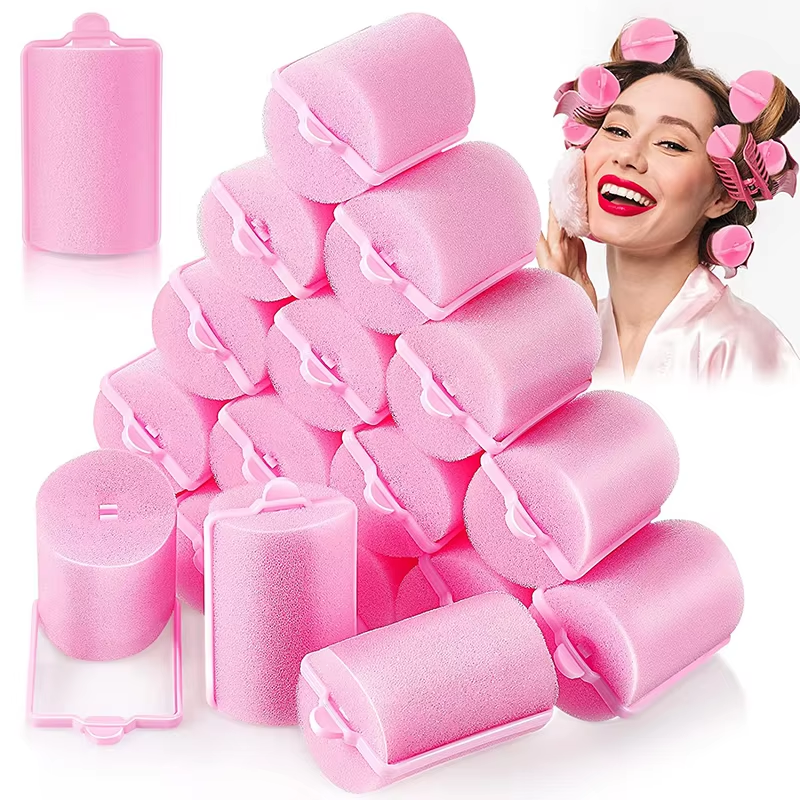
Heatless hair rollers have become one of the most searched styling tools of the past few years, largely because they promise curls without the heat damage associated with curling irons and hot rollers. For consumers, the question of whether a heatless hair roller can be used every day is practical, not theoretical. For B2B buyers, salon distributors, and beauty brands, the same question matters commercially, because product safety claims, material documentation, and return rates all depend on the answer. The short answer is that heatless hair rollers are generally safe for daily use when they are made from skin-safe materials and applied correctly, and this guide explains why, using material science, hair health principles, and real manufacturing practice.
Why Heatless Styling Avoids the Main Cause of Hair Damage
Heat damage occurs when styling tools raise the hair cuticle at high temperatures, typically between 150 and 200 degrees Celsius for common curling irons. Repeated exposure removes moisture, weakens the protein structure, and produces split ends and breakage over time. A heatless hair roller works on a completely different principle: hair is wrapped around a soft sponge, nylon, or fabric core and held in shape by tension and time, often while the hair is damp and left to dry overnight. Because no external heat is applied, the primary mechanism of thermal damage is removed entirely. This is why stylists frequently recommend heatless curling methods to clients recovering from chemical treatments or over-processed hair.
Material Safety: What a Quality Heatless Hair Roller Is Made Of
Daily safety depends heavily on materials. A typical heatless sponge hair roller consists of a high-resilience foam core, sometimes covered with a soft fabric layer, while self-adhesive or magic roller designs use a hook-and-loop surface that grips hair without pins. Buyers should evaluate four material aspects: whether the sponge is odor-free and retains its rebound after repeated compression, whether outer fabrics and dyes carry skin-contact safety documentation, whether self-adhesive surfaces maintain grip without pulling hair, and whether any internal wire or frame has rounded, protected ends. Manufacturers such as Yiwu Zhichao Cosmetics Co., Ltd. produce heatless rollers with pearl cotton and sponge cores under BSCI, WCA, and ISO9001 certified quality systems, which gives buyers documented consistency in foam density and finishing rather than batch-to-batch variation.
How Daily Use Affects Hair and Scalp
Even without heat, daily use of any hair roller calls for correct technique. Hair should be roughly 70 to 80 percent dry before rolling, because fully soaked hair left compressed overnight stays wet for hours, and prolonged dampness can loosen the cuticle and irritate the scalp. Tension matters too: rollers wrapped too tightly can stress the hair shaft and cause traction discomfort at the roots, particularly along the hairline. Hygiene is the third factor. Sponge rollers absorb sebum and styling products, so they should be aired and cleaned regularly, and replaced once the foam loses rebound. When these three habits are followed, dermatologists and stylists generally regard daily heatless curling as a low-risk styling routine, especially compared with daily hot tool use.
Heatless Hair Rollers Compared With Heated Tools
The safety advantage becomes clearer in a direct comparison. A heated curling iron delivers fast results but exposes the cuticle to high temperatures every session, and daily use multiplies cumulative stress. A heatless hair roller trades speed for gentleness: sets usually need several hours or overnight, but the process adds no thermal load and can even be combined with a nighttime routine. For travel, dormitories, and households with teenagers, heatless rollers also remove burn risk entirely, since no power source is involved. For buyers building product lines, this positioning explains why heatless roller kits are frequently bundled with gentle accessories such as nylon bang clips and wide-tooth combs in starter sets.
A Practical Sourcing Scenario for Heatless Roller Programs
A useful example comes from OEM practice in Yiwu. An overseas beauty brand planning a heatless curling kit ordered trial quantities of Daiou nylon hair curlers in three sizes with self-adhesive closures, combining a 100,000-set ready-stock program with custom packaging. Before scaling, the brand tested rebound resilience after 30 compression cycles, verified that the self-adhesive strips retained grip through repeated use without pulling hair, and confirmed color fastness of the fabric wraps. This kind of staged verification, supported by a manufacturer that maintains its own injection molding and quality control processes, is the practical way B2B buyers translate safety claims into documented product performance. It also explains why low minimums such as 100 pieces matter: they allow safety testing on real production units before volume commitment.
Best Practices to Communicate to End Users
Brands that retail heatless hair rollers can reduce complaints and returns by printing simple usage guidance on packaging: start with damp rather than wet hair, wrap with moderate tension, secure with the self-adhesive surface or a soft clip rather than metal pins, remove rollers only after hair is fully dry, and clean the sponge regularly. These instructions turn a safe product into a safely used product. Retail training sheets and e-commerce listing copy built around the same points also strengthen the brand's credibility, because they demonstrate genuine product knowledge rather than generic marketing.
Frequently Asked Questions
Question 1: Can I sleep in heatless hair rollers every night?
Answer: Yes, most heatless sponge and fabric rollers are designed for overnight wear. Use moderately damp, not soaking wet hair, avoid excessive tension at the roots, and keep the sponge clean and replaced when it loses rebound. Sleep-specific designs with softer cores add comfort for nightly use.
Question 2: Do heatless hair rollers damage hair at all?
Answer: They remove heat damage, which is the dominant cause of styling-related breakage. The remaining risks are mechanical: wrapping too tightly, rolling soaking wet hair, or using worn, compressed sponges. With correct technique, daily use is considered low risk.
Question 3: What should B2B buyers check when sourcing heatless rollers?
Answer: Review material safety documentation for sponges, fabrics, and dyes; test rebound resilience and self-adhesive grip retention across repeated cycles; confirm frame and wire ends are rounded; and prefer factories with BSCI, WCA, or ISO9001 certification for consistent quality control. Trial orders around 100 pieces allow testing before volume commitment.
Table of Contents
- Why Heatless Styling Avoids the Main Cause of Hair Damage
- Material Safety: What a Quality Heatless Hair Roller Is Made Of
- How Daily Use Affects Hair and Scalp
- Heatless Hair Rollers Compared With Heated Tools
- A Practical Sourcing Scenario for Heatless Roller Programs
- Best Practices to Communicate to End Users
- Frequently Asked Questions