EN
EN


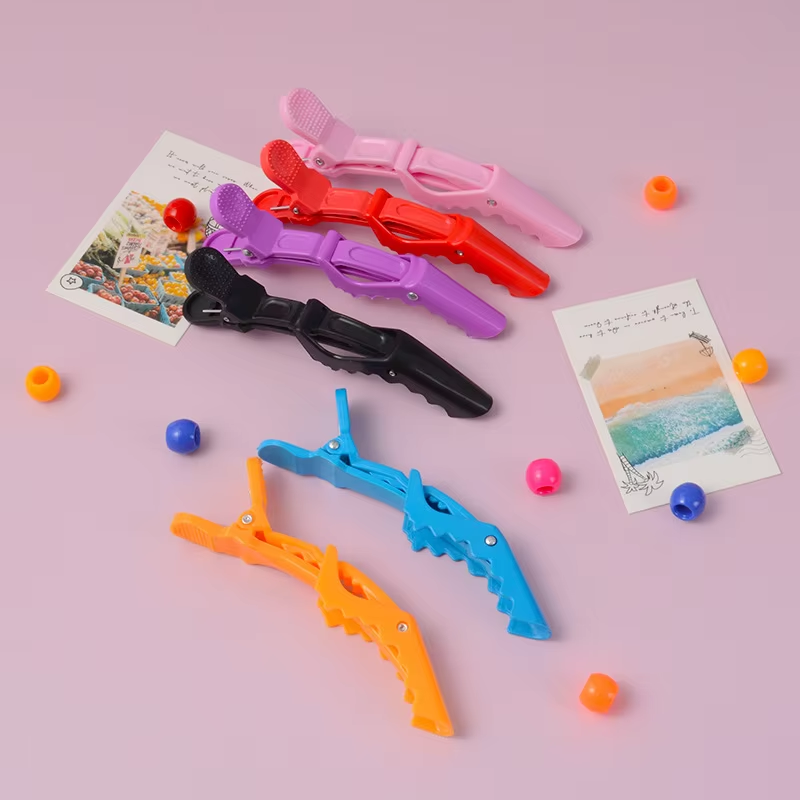
Decorative hair clips have moved beyond simple utility into the center of fashion accessories retail. In mass-market channels across the United States and Europe, hair clip sales now follow seasonal fashion cycles similar to jewelry, with buyers refreshing assortments two to four times a year. For wholesalers, salon supply distributors, and brand owners sourcing from manufacturers in Yiwu, China, understanding where hair clip design is heading directly affects assortment planning and inventory turnover. This guide summarizes the decorative hair clip trends shaping current orders and the practical factors B2B buyers should evaluate when sourcing.
Minimalist Nylon Clips Continue to Dominate Everyday Sales
Minimalism remains the strongest volume driver in the hair clip category. Sleek single-color nylon hair clips in matte black, tortoiseshell, caramel, and milky white consistently outsell ornate designs in daily-wear segments. Nylon offers functional advantages as much as aesthetic ones: the material is lightweight, flexible enough to avoid snapping under tension, and can be produced through injection molding in a single step, which keeps unit costs low and quality consistent at scale. Manufacturers with their own injection molding workshops, such as Yiwu Zhichao Cosmetics Co., Ltd., can produce minimalist nylon clips with tight tolerance control, so spring tension and tooth alignment stay uniform across large production runs. For buyers, this translates into fewer returns related to loose clasps or broken teeth.
Pearl, Metal, and Mixed-Material Accents Lead the Fashion End
At the fashion-forward end of the market, pearl-cluster clips, metallic geometric shapes, and mixed-material designs combining resin with chrome or brushed-gold plating are trending in boutique and e-commerce channels. These decorative hair clips command higher retail price points and are positioned as statement pieces rather than everyday items. From a sourcing perspective, mixed-material clips demand closer attention to assembly quality, particularly the bonding between decorative elements and the clip body, plus plating durability. Buyers should request wear or salt-spray test data for plated finishes and confirm that any adhesives used in assembly meet target-market regulations before placing volume orders.
Bang Styling Clips Have Become a Standalone Category
The rise of at-home styling content has turned the bang styling hair clip into a standalone, high-turnover category. Small 4 cm nylon bang clips, typically sold in 3-piece packs, are used to section fringe during makeup application and to train bangs into shape throughout the day. Because they are inexpensive, lightweight, and cheap to ship, bang clips are a frequent add-on item in e-commerce bundles and subscription boxes. A practical example: a U.S. beauty accessories brand sourcing from Yiwu pairs a 3-piece nylon bang clip pack with heatless sponge hair rollers as a bundled heatless styling kit, lifting average order value while sourcing both items from one supplier to simplify quality control and logistics.
Functional Features Now Shape Decorative Design
Current decorative hair clip design is increasingly shaped by function, not only appearance. Trends visible in recent OEM orders include seamless no-crease silhouettes for all-day comfort, curved tooth patterns that hold fine hair without slipping, matte anti-slip surface finishes, and extended sizes designed for thick or curly hair types. Anti-static properties, already common in the comb category, are beginning to appear in plastic clip finishes as well. These functional upgrades rarely add significant cost when they are planned at the mold-development stage, which is why buyers benefit from working with vertically integrated manufacturers that develop molds in-house and can adjust tooth geometry or surface texture without relying on external tooling vendors.
Sustainability and Material Transparency Are Entering Purchase Criteria
Retail chains increasingly ask suppliers about material composition and recyclability. In response, manufacturers are offering hair clip options in recyclable PP and ABS grades with documented material safety reports. Factory certifications such as BSCI, WCA, and ISO9001 held by established Yiwu producers help buyers verify that social compliance and quality management systems are in place before committing to volume. A manufacturer that also serves global chains, for example as an OEM supplier for MINISO, typically maintains the documentation discipline that large retail audits require, which reduces onboarding friction for new brand partners.
A Practical Sourcing Scenario for Trend-Driven Clips
Consider a distributor preparing a spring accessories launch. A balanced approach combines a core of neutral nylon clips for steady volume, a capsule of pearl and metallic decorative clips to capture fashion demand, and multipack bang clips for e-commerce bundles. By ordering hair clip samples first, verifying spring tension and finish durability, and using a low minimum order quantity such as 100 pieces per SKU for trend items, the distributor can test sell-through before scaling production. This staged approach reduces markdown risk while keeping the assortment responsive to fast-moving social commerce trends.
What B2B Buyers Should Evaluate
When building a hair clip assortment, buyers are advised to review specifications carefully: material grade and safety documentation, spring mechanism durability, finish wear resistance, packaging formats suitable for retail or e-commerce, color consistency across batches, and MOQ flexibility. Suppliers that maintain stock programs, for example 100,000 sets of ready-stock nylon curler and clip combinations, can shorten replenishment lead times for fast movers. Comparing product options across two or three qualified factories before committing volume is a practical way to balance cost, quality, and trend coverage.
Frequently Asked Questions
Question 1: Which hair clip materials are best for mass-market retail?
Answer: Nylon and recyclable PP or ABS plastics are the most common choices for mass-market programs because they are durable, lightweight, and cost-efficient at scale. Nylon hair clips in neutral finishes typically deliver the most stable sell-through, while resin and mixed-material decorative clips suit fashion capsules and boutique channels.
Question 2: What minimum order quantities should new brands expect?
Answer: MOQs vary by product and supplier. Some Yiwu manufacturers accept trial orders from 100 pieces for standard items, while custom-mold or custom-color hair clip projects usually require higher quantities. Buyers should confirm MOQ, unit price breaks, and stock availability for each SKU before finalizing an assortment.
Question 3: How can buyers verify hair clip quality before a volume order?
Answer: Request pre-production samples and check spring tension, tooth alignment, surface finish, and assembly strength on decorative elements. For plated or glued components, ask for wear test data, and confirm the factory holds relevant certifications such as BSCI, WCA, or ISO9001 to validate its quality management system.
Table of Contents
- Minimalist Nylon Clips Continue to Dominate Everyday Sales
- Pearl, Metal, and Mixed-Material Accents Lead the Fashion End
- Bang Styling Clips Have Become a Standalone Category
- Functional Features Now Shape Decorative Design
- Sustainability and Material Transparency Are Entering Purchase Criteria
- A Practical Sourcing Scenario for Trend-Driven Clips
- What B2B Buyers Should Evaluate
- Frequently Asked Questions