EN
EN


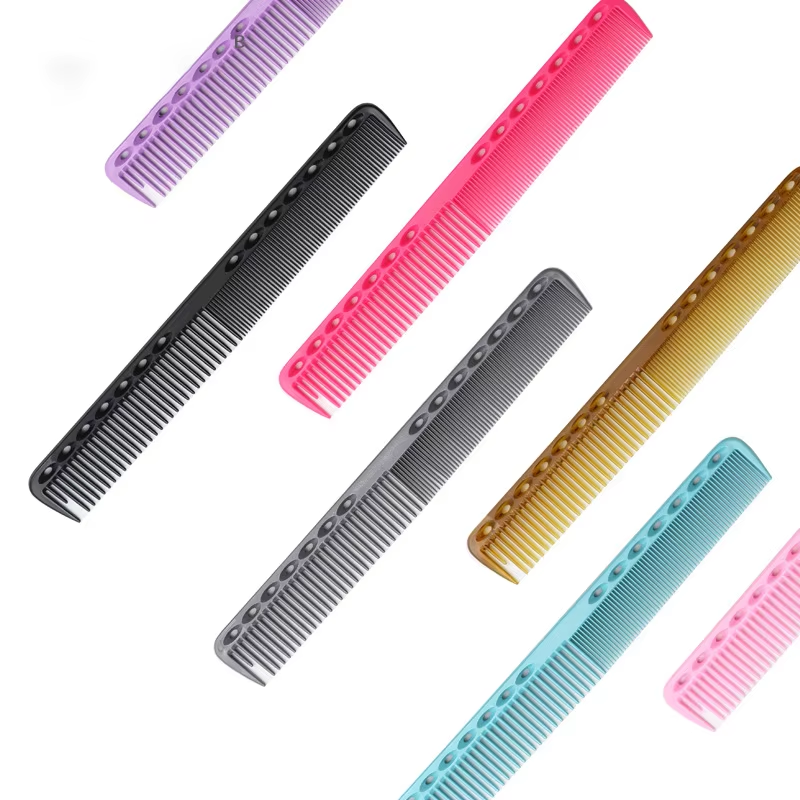
Most people build their hair care routine around shampoo, conditioner and styling tools, but the hair comb rarely gets the attention it deserves. A comb touches your hair nearly every day, and the way it glides through strands has a direct influence on breakage, static, shine and even scalp comfort. Choosing a high-quality hair comb is not about picking the most expensive item on the shelf; it is about matching material, tooth spacing and design to your hair type and to the way you actually use it. A well-made comb detangles gently, resists static and feels smooth from the first use to the thousandth. This guide explains what separates a well-engineered hair comb from a disposable one, and how manufacturers build combs that genuinely support hair health over time.
Why Comb Quality Affects Hair Health
A comb with rough edges, brittle teeth or unfinished seams can snag and pull hair, causing split ends and mechanical damage that accumulates with every use. A high-quality hair comb, by contrast, has smooth, rounded tooth tips and a polished surface that allow strands to separate naturally without excessive force. Static electricity is another hidden factor: it lifts the cuticle, increases frizz and makes hair look dull and harder to manage. Manufacturers address this problem through material selection and antistatic additives blended during injection molding. When a comb is designed with the right balance of flexibility and stiffness, it detangles without snapping strands, which is why professional stylists tend to favor tools that flex slightly rather than rigid ones.
Comb Materials and What They Do
The material of a hair comb determines its weight, flexibility, heat tolerance and static behavior, so it is the first decision for both consumers and sourcing teams. Nylon combs are a common choice because they are durable, handle most styling temperatures and can be engineered with anti-static properties during injection molding. Plastic combs offer a cost-effective option and can be molded in nearly any color or shape, which makes them popular for OEM and ODM projects. Rubber combs, often found in massage and scalp-stimulating designs, provide a gentle, flexible experience that many users find soothing, and they work well for short hair and sensitive scalps. Specialty materials such as sponge and pearl cotton appear in soft styling tools where a cushioning effect is wanted. Understanding these differences helps buyers choose a hair comb that fits its intended use instead of relying on guesswork.
Matching the Comb to Your Hair Type
Hair type is the strongest signal for choosing the right design. Fine and straight hair responds well to fine-tooth combs that create smooth, sleek finishes, while thick, curly or coily hair usually needs wide-tooth combs that detangle without pulling out the natural curl pattern. Wet hair deserves special attention because wet strands are more elastic and easier to damage, which is why a wide-tooth comb is generally the safer choice after washing. A folding comb is convenient for travel and handbags, while a handled comb gives more control for sectioning and precise styling. For daily scalp care, a massage comb with rubber or rounded teeth can stimulate circulation and help distribute natural oils from root to tip. Many manufacturers offer multiple sizes within a single model so retailers can cover several hair types with one design, which also simplifies inventory planning and reduces the number of SKUs a new brand needs to hold.
Anti-Static Combs and Frizz Reduction
Static is one of the most common complaints about low-cost combs, especially in dry climates and during winter months. Anti-static hair combs are manufactured by incorporating antistatic agents into the polymer compound during injection molding, rather than relying on a coating that can wear off after weeks of washing. That engineering detail is a genuine difference between a carefully made comb and a budget product. The result is fewer flyaways, smoother styling and less friction on the hair cuticle. In our experience producing combs for export markets, requests for anti-static formulations have grown steadily as brands respond to user complaints about frizz in cold, dry weather. For distributors, this detail is worth checking in the product specification because it directly affects user experience, repeat purchases and return rates.
Case Study: OEM Comb Production for a National Retail Chain
Yiwu Zhichao Cosmetics Co., Ltd. has produced injection-molded hair tools since 2007 in its 11,387 m² factory in Yiwu, Zhejiang, China. The company runs its own injection molding workshop and mold development team, so molds, materials and assembly are managed under one roof instead of being split across different suppliers. In one typical OEM program, a national retail chain ordered a line of anti-static nylon hair combs in multiple sizes and colors, with the factory handling everything from mold development to final packaging. The vertically integrated production line, supported by 47 production workers and a monthly output of more than 5 million RMB, delivered against a 99% on-time fulfillment record. The factory maintains BSCI, WCA and ISO9001 certifications, and it has also produced for global brands such as MINISO. The sourcing lesson is clear: a comb manufacturer with in-house molding and mold capability can respond faster to design changes and quality issues than one that only assembles purchased parts.
What to Look for in a Comb Manufacturer
When sourcing hair combs for a brand or retail program, start by reviewing production certifications and factory audit reports. BSCI and WCA audits cover labor and workplace standards, while ISO9001 covers quality management systems. Ask directly whether the factory operates its own injection molding workshop, because that affects consistency, cost and lead time. Request sample testing for tooth smoothness, material flexibility and anti-static performance, and compare product options across materials, sizes and colors before placing a production order. A supplier that publishes a clear MOQ and supports customization makes it easier to test the market first; Yiwu Zhichao Cosmetics, for example, works with an MOQ of 100 pieces, which is practical for a trial run. With careful supplier evaluation, brands can launch a hair comb line that supports real hair health rather than a product that merely looks like the rest.
Frequently Asked Questions
These are the questions first-time buyers and beginners ask most often about hair combs.
How often should I replace my hair comb?
Replace a hair comb when teeth become cracked, bent or rough, or when seams begin to snag hair. High-quality nylon and plastic combs last for years under normal use, but any visible damage is a clear sign to switch to a new one.
What is the best hair comb material for static-prone hair?
Anti-static nylon combs are a reliable choice for static-prone hair because the antistatic agent is mixed into the polymer during injection molding. It works for the life of the comb, rather than wearing off like a surface coating.
Can the same comb be used on wet and dry hair?
A wide-tooth comb with smooth, rounded teeth can be used on both, and it is especially important for wet hair because wet strands are more fragile. Using the same comb for dry styling is fine as long as the teeth are clean and free of product residue.