EN
EN


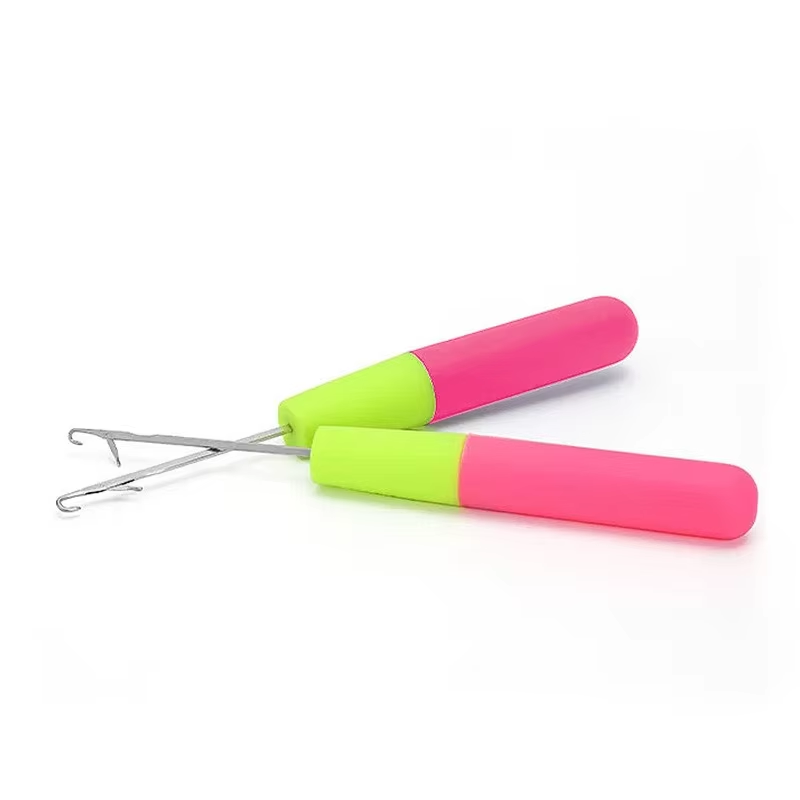
Wearing a wig for the first time is exciting, but most beginners quickly realize that the wig itself is only half of the picture. Without the right wig accessories, a wig can slip, tangle, look unnatural or lose its shape within a few weeks. The good news is that a solid starter kit is neither large nor expensive. Caps, combs, brushes, stands and a few care products cover almost everything a first-time wearer needs. This guide walks through the essential wig accessories, explains what each one does, and gives practical advice on choosing products and suppliers that fit a beginner's budget and routine.
Why Beginners Need the Right Wig Accessories
A wig sits close to the skin and hair it protects, so the accessories around it directly affect comfort, security and appearance. A quality wig cap protects natural hair, absorbs perspiration and gives the wig a smooth base to grip. A proper wig brush removes tangles without pulling out fibers, which keeps a wig looking fuller for longer. A wig stand preserves the cap's shape while the wig dries or waits for the next wear. Even the smallest item, such as clips or an edge brush, changes how naturally a wig blends at the hairline. In short, accessories determine how long a wig lasts and how confident a beginner feels wearing it.
Essential Wig Accessories Checklist
A complete starter set usually includes a wig cap to hold natural hair flat, a wide-tooth wig comb or wig brush for detangling, a wig stand or mannequin head for storage and drying, and styling extras such as bobby pins, wig clips and an edge brush. Beginners with lace-front wigs often add a gentle adhesive or edge control and a remover for cleaning the skin. A small mirror and a spray bottle of water are useful but optional additions. This checklist is a practical baseline: new wearers can start with five core items and expand the collection as their styling skills grow.
Wig Caps and Wig Nets: The Foundation
The wig cap is arguably the most important accessory because it protects the natural hair and creates a smooth, flat surface for the wig to sit on. Common materials include soft sponge, breathable mesh and pearl cotton padding, and the choice depends on whether the wearer has a lot of hair to flatten, short hair, or a sensitive scalp. Wig nets and caps must stretch without squeezing, because a cap that is too tight causes headaches and a cap that is too loose lets the wig slide. When manufacturing wig caps, factories pay attention to seam finishing and elastic quality, since these details decide whether the cap stays comfortable through a full day of wear. Sponge caps in particular are popular with beginners because they are soft, lightweight and easy to put on.
Wig Combs, Brushes and Clips for Daily Care
Detangling is the most frequent maintenance task for any wig owner, which is why a good wig brush and wig comb matter so much. Wide-tooth combs are gentler on fibers and are often recommended for wet or delicate wigs, while brushes with flexible nylon bristles distribute oils and smooth the surface. Anti-static properties help reduce flyaway and make styling easier, especially for synthetic wigs in dry environments. Clips and snap combs are sewn or attached inside the cap to anchor the wig to natural hair, giving beginners extra confidence during movement. These items are small, but their material and finish determine how gently they treat both the wig and the wearer's edges.
Wig Care and Storage Accessories
A wig that is stored poorly will not last, no matter how expensive it was. A wig stand or mannequin head keeps the cap in shape and lets air circulate, which prevents odor and flattening. For travel, a breathable wig bag is a smart addition. Cleaning products such as wig shampoo, conditioner and detangling spray are considered essentials by most experienced wearers because wigs collect oils, dust and styling products over time. Beginners should check whether a supplier offers care products and accessories together, since buying a matched kit is often cheaper and simpler than sourcing every item separately.
Case Study: Sourcing a Beginner Wig Accessory Kit for a Retail Brand
A retail brand once approached Yiwu Zhichao Cosmetics Co., Ltd. to assemble a beginner wig accessory kit: a sponge wig cap, a nylon wig brush, a folding wig comb, a set of clips and a compact storage stand. Because the factory owns its injection molding workshop and mold development team, it could produce the comb and clips, coordinate the sponge cap line and assemble everything with its own packaging team under one roof. The 11,387 m² facility, with 80 employees including 47 production workers and a monthly output above 5 million RMB, completed the program against a 99% on-time fulfillment record. The factory holds BSCI, WCA and ISO9001 certifications and has produced for global brands such as MINISO, giving the buyer confidence in compliance and quality. For any brand planning a similar kit, the practical takeaway is to work with a supplier who can manage several small SKUs in a single order, because that keeps costs predictable and quality consistent.
How to Choose a Wig Accessories Supplier
Beginners buying for personal use can focus on reviews and material transparency, while brands and retailers sourcing wig accessories should evaluate suppliers more formally. Check for social compliance and quality certifications such as BSCI, WCA and ISO9001. Ask about in-house production capabilities, particularly injection molding for combs, clips and stands, because that controls quality and lead time. Request samples and compare product options across materials, sizes and packaging. Confirm the MOQ fits your launch plan; Yiwu Zhichao Cosmetics, for example, operates with an MOQ of 100 pieces, which suits a first test order. A transparent supplier will discuss customization, packaging and delivery openly, which makes it easier to build a dependable product line step by step.
Frequently Asked Questions
Here are three questions that beginners ask most often about wig accessories.
How long does a wig accessory kit usually last?
A well-made kit lasts for many months. Wig caps are the fastest-wearing item and may need replacing every one to three months, while combs, brushes and stands can last for years if they are kept clean and stored properly.
What is the most important wig accessory for a beginner?
A comfortable wig cap and a gentle detangling brush are the two items beginners should not skip. The cap protects natural hair and keeps the wig secure, while the brush prevents fiber damage that makes wigs look worn.
Can I use a regular hairbrush on a wig?
It is better to use a wig brush or a wide-tooth wig comb. Regular hairbrushes often have harsh balls or stiff bristles that can pull fibers out of synthetic and delicate wigs, shortening their life.
Table of Contents
- Why Beginners Need the Right Wig Accessories
- Essential Wig Accessories Checklist
- Wig Caps and Wig Nets: The Foundation
- Wig Combs, Brushes and Clips for Daily Care
- Wig Care and Storage Accessories
- Case Study: Sourcing a Beginner Wig Accessory Kit for a Retail Brand
- How to Choose a Wig Accessories Supplier
- Frequently Asked Questions