EN
EN


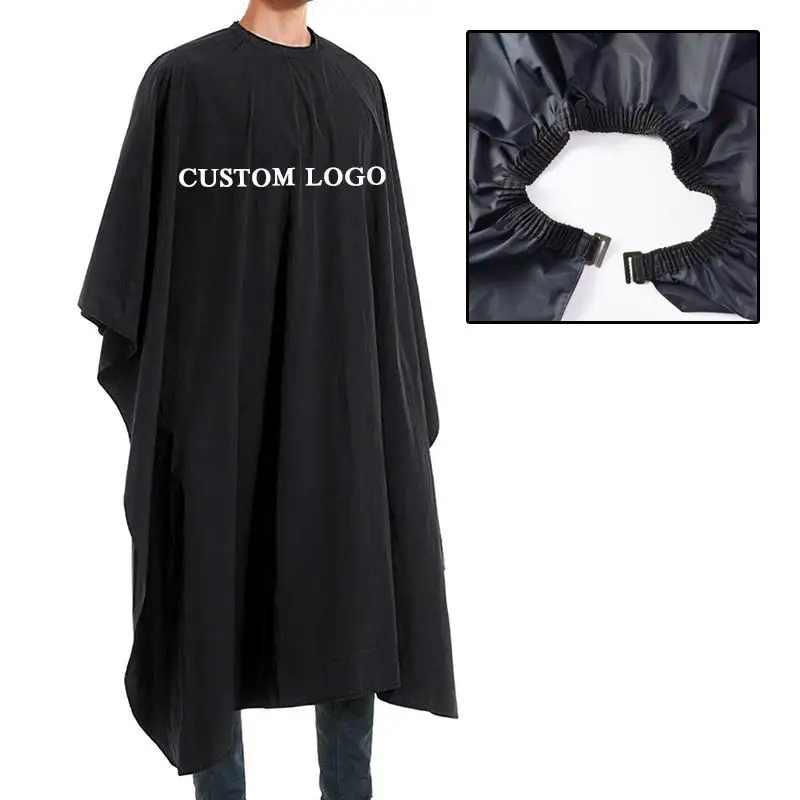
A barber cape is one of the most frequently used tools in any barbershop, yet it is often treated as an afterthought when ordering supplies. Professional barbers tend to prefer high-quality barber capes not because of vanity, but because cape quality directly affects working speed, client comfort, and long-term equipment costs. A flimsy cape that tears, leaks water, or sheds lint will be replaced several times a year, while a well-made cape can serve the same chair for years. For salons, barbershops, and distributors that buy in volume, understanding what separates a premium cape from a budget cape is a practical financial question as much as a comfort question.
What Makes a Barber Cape High Quality?
The quality of a cape is determined by several measurable factors. The first is the fabric. Professional capes are commonly made from water-resistant nylon or polyester, often with a soft inner layer that touches the client's neck. High-density nylon with a waterproof coating prevents hair clippings and water from soaking through to the client's clothing. The second factor is the neckline. A high-quality cape uses a soft, contoured collar, usually padded or lined, that seals around the neck without scratching or choking the client. Cheap capes often have a thin elastic band that digs into the skin or stretches out after a few washes. The third factor is the closure. Snap buttons, hook-and-loop straps, or magnetic closures all need to survive hundreds of open-and-close cycles per month. Finally, quality is visible in the seams and finishing. Reinforced, double-stitched edges prevent fraying, and neatly finished hems show that the manufacturer controls the production process carefully.
Fabric and Construction: Water Resistance, Neckline, and Closure
Water resistance is the feature barbers notice first in a professional cape. During hair washing or scalp treatments, water and diluted chemicals can reach the cape line. A cape with a true waterproof membrane or coated fabric keeps the client's clothes dry and saves the barber from interrupting the service. Equally important is the neck seal. A good cape fits snugly around the neck without applying pressure, because a client who is uncomfortable during a 30-minute service will not return. Closure systems also matter. Snap buttons are simple and long-lasting, while hook-and-loop straps allow quick adjustment for different neck sizes. Magnetic closures are increasingly popular because they open with a light pull, which reduces wear on the fabric and speeds up the transition between clients. In the factory, these small components are the same parts a manufacturer such as Yiwu Zhichao Cosmetics Co., Ltd. sources or molds for its cape line, and their quality often determines whether a cape lasts months or years.
How Cape Quality Affects Workflow and Client Experience
Cape quality has a direct effect on daily workflow. A cape that resists water and clippings can be wiped down between clients instead of being laundered after every use, which saves a busy barbershop hours of laundry every week. A cape with a reliable closure allows a barber to remove and replace it in seconds, keeping appointments on schedule. For the client, a soft, breathable, lint-free cape feels professional and hygienic, and it communicates that the shop invests in its equipment. In contrast, a scratchy collar or a cape that sheds fibers onto a client's shirt creates a negative impression that no haircut can fully fix. This is why many established shops standardize on one cape model: consistency in comfort and performance becomes part of the brand experience.
Sourcing High-Quality Barber Capes: What Buyers Should Check
For buyers, whether they run a single barbershop or import for a retail chain, checking a few production details separates a reliable supplier from a risky one. First, examine the fabric specifications, including weight, coating, and colorfastness. Second, ask for the stitch density and seam reinforcement around the neck and hem, because those are the first points of failure. Third, verify the supplier's quality management system. Certifications such as ISO9001, BSCI, and WCA indicate that the factory has documented processes for quality control and workplace compliance, which matters when a buyer orders thousands of units. Fourth, confirm the minimum order quantity and customization options. A manufacturer with its own sewing workshop and mold development capability can offer custom colors, printed logos, and tailored sizes, which is valuable for distributors building a private label. Yiwu Zhichao Cosmetics Co., Ltd., for example, operates a vertically integrated facility in Yiwu with its own injection molding workshop and mold development, and it applies the same manufacturing discipline to its cape production as to its hair accessories.
Case Study: A Distributor Sourcing Barber Capes from a Vertically Integrated Factory
To see how these factors come together, consider a typical sourcing scenario. A US-based distributor wanted to add capes to an existing range of salon accessories and needed a supplier that could handle logo printing, multiple colorways, and a moderate MOQ. After evaluating candidates, the distributor chose a manufacturer in Yiwu that could provide a small starting order of 100 pieces, produce custom colors within 15 days of raw material procurement, and begin production roughly 25 hours after order confirmation. Because the factory managed the entire process, from fabric cutting and sewing to final packaging, the distributor received samples that matched the production run, and the final shipment met the promised specification. The distributor's experience is not unusual; with an on-time fulfillment rate of 99% and a seven-guarantee service system covering quality, delivery, and print errors, vertically integrated factories in Yiwu have become a common supply base for salon product importers in the United States and Europe.
How to Choose the Right Barber Cape for Your Business
Choosing the right barber cape starts with matching the product to the service. For classic haircuts and clipper work, a standard water-resistant nylon cape is the most practical choice. For color treatments and chemical services, a cape with a fully waterproof coating and a higher neck seal offers better protection. For kids' chairs or quick trim stations, smaller sizes and colorful designs make the service friendlier and the inventory easier to organize. Bars and hospitality businesses that offer grooming services should look for cape models that are easy to wipe clean and quick to change. Buyers should also compare unit prices against expected lifespan rather than initial cost alone. A cape that costs slightly more but lasts three times longer is the better value, especially for high-traffic shops. Finally, review the customization and MOQ options before ordering, and ask the supplier for a pre-production sample so the fabric, color, and stitching can be checked before a large commitment.
Frequently Asked Questions About Barber Capes
Q1: How often should a professional barber cape be replaced?
A: A high-quality cape made of coated nylon with reinforced seams typically lasts one to three years under daily use, depending on how often it is washed and whether it is wiped down between clients. When the coating peels, the seams fray, or the neck closure loses its grip, it is time to replace it.
Q2: Are water-resistant and waterproof barber capes the same?
A: No. Water-resistant capes repel light moisture and clippings, while waterproof capes have a continuous coating or membrane that prevents water from passing through entirely. For chemical services and shampoo stations, waterproof models offer stronger protection.
Q3: What MOQ and customization options should a buyer expect when ordering barber capes?
A: MOQs vary by supplier, but manufacturers in Yiwu commonly accept small starting orders around 100 pieces for custom logo or color work. Reliable suppliers offer custom colors, printed logos, multiple sizes, and pre-production samples before mass production begins.
Table of Contents
- What Makes a Barber Cape High Quality?
- Fabric and Construction: Water Resistance, Neckline, and Closure
- How Cape Quality Affects Workflow and Client Experience
- Sourcing High-Quality Barber Capes: What Buyers Should Check
- Case Study: A Distributor Sourcing Barber Capes from a Vertically Integrated Factory
- How to Choose the Right Barber Cape for Your Business
- Frequently Asked Questions About Barber Capes