EN
EN


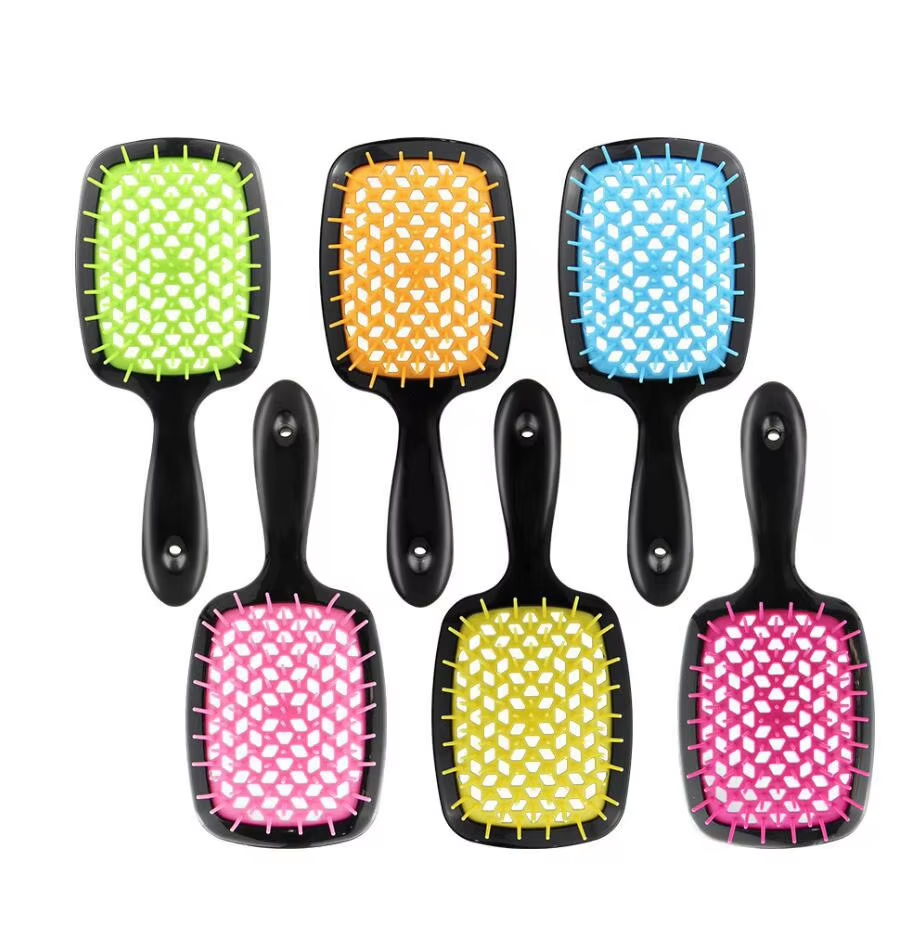
Every hair comb looks similar at a glance, but the material it is made from changes how it feels in the hand, how it behaves on different hair and how long it lasts. Two combs with an identical shape can perform very differently if one is molded from nylon and the other from brittle plastic. The material decides the weight, flexibility, surface smoothness, heat resistance and, most noticeably, whether the comb builds static electricity as it moves through the hair. Because these properties directly affect comfort and results, material choice should come before shape choice when you select a comb, whether for personal use or for a retail product line. This guide compares the main comb materials, explains how each one interacts with fine, thick, curly and straight hair, and shows how manufacturers engineer anti-static performance during injection molding.
Hair Types and What a Comb Needs to Do
The first step in choosing a comb material is understanding the hair it will be used on. Fine, straight hair needs a smooth, low-friction tool that separates strands without weighing them down, and it benefits strongly from anti-static properties because fine strands are quick to build static and fly away. Thick and coarse hair needs a sturdy comb with flexible teeth that can glide through dense volume without snapping strands; a flimsy comb bends too much or catches and pulls. Curly and coily hair requires wide spacing and smooth surfaces that preserve the curl pattern and avoid the friction that creates frizz. Even the local climate matters: hair in a humid climate behaves differently from hair in a dry one, which is another reason static behavior is such an important part of material selection.
Nylon Combs: The Balanced All-Rounder
Nylon is one of the most widely used comb materials in professional and consumer tools, because it balances durability, flexibility and surface smoothness. It can be molded into fine, precise teeth that keep their shape, and it tolerates normal styling temperatures without warping. For frizz-prone and fine hair, nylon is also a strong base for anti-static additives, which are blended into the resin during injection molding rather than painted on as a coating that washes or wears off. The result is a comb that reduces flyaway, keeps the cuticle lying flat and stays smooth through years of daily use. In our production experience, nylon is the material brand owners request most often when they want a premium-feel comb that still fits a competitive retail price.
Plastic Combs: Affordable and Versatile
Plastic is the most common and economical comb material, and it is why combs can be produced in nearly any color, shape and decoration at scale. The quality of a plastic comb depends heavily on the material grade and the molding process. A well-made plastic comb has smooth seams and rounded tips, while low-grade or recycled plastic can be brittle, develop rough edges and generate static. For everyday use and for retail programs where price matters, plastic combs remain a strong choice as long as the specification calls for a decent grade and a proper finish. When sourcing, request samples and inspect the seam lines and tooth tips carefully, because these details, not the color, are what users feel every time they run the comb through their hair.
Rubber, Silicone and Specialty Materials
Rubber and silicone combs and brush pads are valued for their softness and gentle grip. They appear often in massage combs, scalp-care tools and children's hair care, where comfort matters more than fast detangling. Rubber provides cushioning, distributes pressure evenly and is naturally low-static, but it is heavier than nylon and can feel slightly sticky on very wet hair. Sponge and pearl cotton materials show up in soft styling tools where flexibility and gentleness are the priority, such as cushion rollers and travel accessories. For a brand deciding between materials, the question is which trade-off fits the intended use: durability and precision point to nylon, affordability and color flexibility point to plastic, and softness and scalp comfort point to rubber or silicone.
Anti-Static Properties and the Science Behind Them
Static electricity forms when two materials rub together and electrons transfer between them, leaving one surface positively charged and the other negatively charged. Dry hair and a synthetic comb are a classic pairing for this effect: the friction of combing separates charges, and hair that is dry or fine holds little moisture to conduct them away. Manufacturers control static in two main ways. The first is adding anti-static additives to the resin during injection molding, so the comb conducts charges away slowly instead of letting them build up. The second is surface finish and material selection, since a smoother surface and certain polymer blends generate less friction in the first place. Anti-static behavior is one of the features buyers should confirm on a specification sheet, because it has a direct effect on user satisfaction and repeat purchases, especially in winter and in dry climates.
Case Study and Sourcing Guidance: Matching Materials to a Retail Program
Yiwu Zhichao Cosmetics Co., Ltd. has manufactured injection-molded hair tools since 2007 in an 11,387 square meter factory in Yiwu, Zhejiang, China, with 80 employees and its own mold development team. In one export program, a customer asked for a comb line that covered different price points for the US retail market. The factory built the range around nylon for the mid and premium tiers, where anti-static performance and smoothness justified the material cost, and around selected plastic grades for the entry tier, where color variety and price were the deciding factors. Because the factory runs its own injection molding workshop and handles everything from mold development to assembly and packaging, each material grade could be tested in-house and the same MOQ structure applied across the whole line. For buyers, the practical takeaway is that a single manufacturer with in-house molding can supply a mixed-material assortment, which simplifies sourcing and keeps quality consistent across tiers. When comparing options, start from the user profile rather than the price list: define the hair types the product will serve, shortlist materials that behave well on those hair types, and request samples to test surface smoothness, tooth flexibility and static build-up on dry hair. Review the factory's certifications, including BSCI, WCA and ISO9001, and confirm MOQ and customization options before placing the first order.
Q&A
Q: Which comb material suits fine hair?
A: Fine hair responds well to a smooth, anti-static material such as treated nylon. It separates strands without weighing them down, and the molded-in anti-static properties reduce the flyaway and static that fine hair tends to build up.
Q: Why do plastic combs cause static?
A: Static builds when friction between the comb and hair separates electrical charges, and dry hair conducts them away poorly. Some plastic blends generate more friction than others, and because surface coatings wear off over time, the problem returns quickly. Anti-static additives blended into nylon during molding address the issue at the material level instead.
Q: Can one comb material work for all hair types?
A: No single material is ideal for every hair type, but nylon comes closest to an all-round choice because it is smooth, durable and can be treated for anti-static performance. For a retail range, offering nylon and plastic tiers, or different tooth spacing within one material, covers more hair types than a single one-size-fits-all design.